

As a certified movement therapist and yoga instructor, I have spent years helping clients release deeply held chronic tension that traditional stretching simply could not fix. When clients come to my clinic and ask exactly what somatic yoga is, I explain that it is the ultimate tool for releasing stress that becomes trapped in the physical body, leading to unexplained aches, poor posture, and persistent fatigue.
Over time, I discovered that the key to lasting relief was not pushing harder, but rather slowing down and listening to the nervous system.If you are curious about this gentle approach, you are not alone; this practice has rapidly gained popularity as people seek more mindful, trauma-informed ways to heal. It shifts the focus entirely from how a pose looks on the outside to how the movement actually feels on the inside.
In this comprehensive guide, I will share the foundational techniques, realistic benefits, and beginner-friendly routines that I use in my clinical practice every day.
TL;DR: Quick Overview
- Somatic yoga is a slow, mindful movement practice focused entirely on internal body awareness.
- It safely helps reduce chronic stress, improve posture, and relieve persistent muscle tension.
- This practice is frequently used in clinical therapy for pain management and nervous system regulation.
- It is highly suitable for absolute beginners and individuals dealing with severe stiffness.
What Is Somatic Yoga?
To answer the core question of what somatic yoga is, we must look at how it blends traditional mindfulness with clinical neuromuscular re-education. Simply put, somatic yoga is a gentle movement practice combining yoga and somatic exercises to improve mind-body awareness and release deep muscle tension.
Unlike traditional fitness classes that push you to achieve a specific physical shape, this method is fundamentally about internal exploration.
The term “somatic” comes from the Greek word “soma,” which means looking at the body from a first-person perspective. When you practice this specific style of yoga, your primary goal is to reconnect your brain with your muscles. Over years of stress, trauma, or repetitive daily habits, our brains literally forget how to relax certain muscle groups, leading to a condition called sensory motor amnesia.
Somatic yoga directly combats this amnesia by retraining the central nervous system through incredibly slow, conscious movements. By bringing intense mental focus to the specific sensations of contracting and releasing muscles, you create new neural pathways. This mindful awareness allows the brain to finally signal the chronically tight muscles to let go and return to their natural resting length.
In my daily practice, I guide clients to close their eyes and heavily focus on the subtle shifts in their physical structure. We do not hold intense, painful stretches; instead, we move smoothly in and out of gentle postures. This constant, slow-motion movement prevents the body’s natural stretch reflex from triggering, which is what often causes muscles to tighten further during traditional stretching.
Ultimately, understanding what somatic yoga is requires experiencing the profound release it offers to a dysregulated nervous system. It is a deeply personal, restorative practice that teaches you to become the absolute highest authority on your own physical body and comfort.
What Is Somatic Exercise?
To fully grasp the yoga variation, it helps to first understand what is somatic exercise at its foundational core. Somatic exercise is a broader category of movement therapy pioneered by educators like Thomas Hanna and Moshe Feldenkrais. These exercises involve very slow, deliberate movements designed entirely to enhance your interoception, which is your ability to feel internal sensations.
The entire foundation rests on nervous system regulation rather than cardiovascular endurance or muscular hypertrophy. By consciously moving a limb and closely monitoring the sensation of the muscles working, you bypass the body’s automatic autopilot mode. This deep concentration effectively resets the resting muscle tone, providing profound relief from stiffness.
What Is Somatic Yoga Good For?
When new clients arrive at my clinic, they frequently ask exactly what is somatic yoga good for before committing to a session. Primarily, it is an exceptional tool for chronic pain relief, specifically in the lower back, neck, and shoulders. Because it avoids aggressive stretching, it provides a safe haven for bodies that are currently experiencing pain or recovering from injury.
Additionally, this practice is a powerful mechanism for severe stress reduction and managing daily anxiety. It serves as a form of active meditation, and when paired with soothing meditation music, it profoundly calms the mind while simultaneously improving your overall joint mobility.
Furthermore, its gentle nature makes it a cornerstone of trauma-informed movement, helping individuals safely reconnect with their bodies after distressing life events.
Benefits of Somatic Yoga
The clinical and anecdotal evidence supporting the benefits of somatic yoga is incredibly vast and continuously growing. One of the most significant advantages is how rapidly it reduces involuntary muscle tension that causes daily discomfort. By actively re-educating the nervous system, you naturally begin to carry yourself with a much more relaxed, upright posture.
Beyond the physical health benefits, practicing somatic yoga greatly benefits your long-term mental health and emotional resilience. The deep breathing and slow pacing significantly lower your heart rate, creating a profound sense of inner calm. Consequently, regular practitioners experience enhanced flexibility without ever forcing their joints past a comfortable, natural range of motion.
Does Somatic Yoga Really Work?
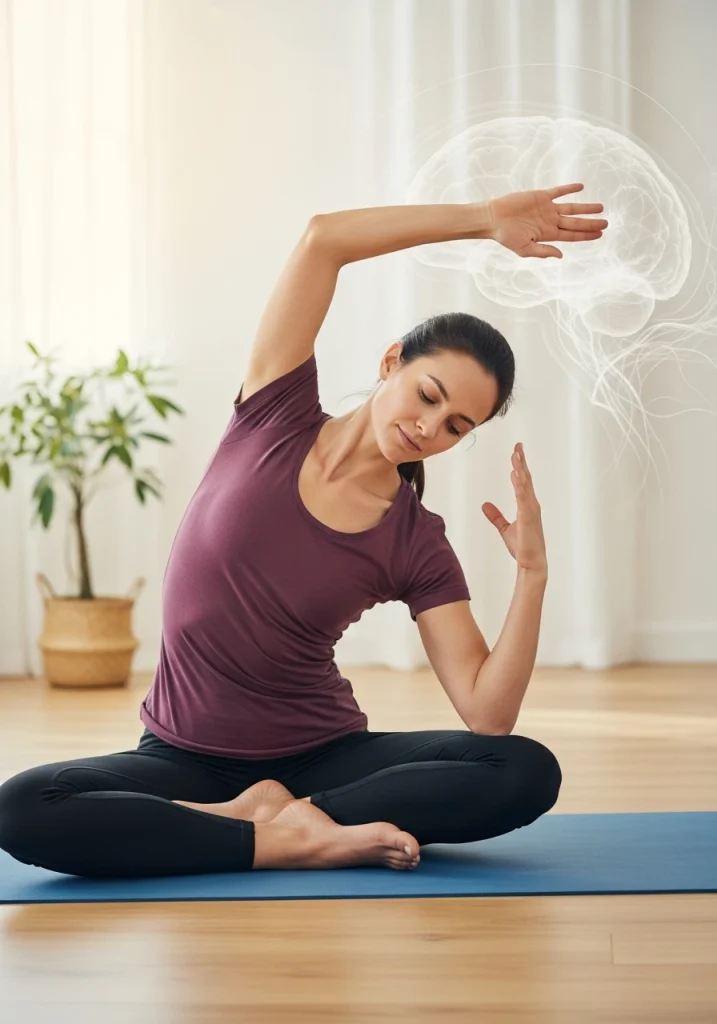
A healthy dose of skepticism is natural, leading many to ask, “Does somatic yoga really work for long-term healing?” From a scientific and clinical perspective, the answer is a resounding yes, provided you practice it consistently. It relies on the well-documented principles of neuroplasticity, proving that the brain can continuously rewire how it controls muscle tissue.
However, having realistic expectations is crucial to your success with this modality. It is not a magical, overnight cure for structural joint damage or severe degenerative diseases. Instead, it is a highly effective, ongoing maintenance tool for managing pain and optimizing how your nervous system functions daily.
Is Somatic Yoga a Scam?
Given the recent explosion of online trends, some people understandably question, is somatic yoga a scam? The practice itself is entirely legitimate and rooted in decades of respected physical therapy and movement science. The skepticism usually arises from aggressive online marketing that promises unrealistic, miraculous healing in a matter of days.
It is important to separate evidence-based clinical practices from exaggerated social media claims. While it will not cure medical illnesses or replace necessary surgeries, it is a proven, valid method for pain management. When taught by a certified, knowledgeable instructor, it is one of the safest movement therapies available today.
What Is Somatic Yoga Therapy?
Many people get confused about the clinical application and ask, “What is somatic yoga therapy?” This specific branch integrates somatic movement with psychological awareness, often used alongside formal physical therapy or psychotherapy. It is specifically tailored to help individuals release trapped emotional trauma that manifests as chronic physical pain.
In this therapeutic setting, the focus is heavily on nervous system healing rather than simply getting a good workout. A trained therapist guides you to recognize your physical stress triggers and use movement to self-soothe. It is a highly specialized form of pain management that treats the emotional and physical body as one connected unit.
Somatic Yoga vs Regular Yoga
Understanding somatic yoga vs. regular yoga helps you choose the right practice for your current bodily needs. While both practices utilize physical postures and breathwork, their primary goals and pacing are vastly different.
| Feature | Somatic Yoga | Regular Yoga |
| Speed | Extremely slow and exploratory | Moderate to fast-paced |
| Focus | Internal awareness and sensation | Proper posture and alignment |
| Goal | Nervous system reset and pain relief | Strength, endurance, and flexibility |
Somatic Yoga vs Yin Yoga
Another common area of confusion is the difference between somatic yoga vs. yin yoga, as both are notoriously slow practices. Yin yoga focuses heavily on passive stretching, where you hold static poses for several minutes to target deep connective tissues. You rely on gravity and time to lengthen the fascia, which can sometimes be intense.
Somatic yoga, on the other hand, is built entirely on active awareness and continuous, micro-movements. You are never holding a passive stretch; instead, you are actively engaging and slowly releasing the muscle fibers. This crucial difference makes somatic movement safer for individuals who are hypermobile or currently in acute pain.
Somatic Yoga for Weight Loss (Realistic View)
In my physical therapy clinic, clients often ask about somatic yoga for their weight loss, hoping for a low-impact calorie burner. It is crucial to approach this subject with a medically sound, highly realistic perspective. This gentle practice is not a high-intensity cardio workout that will rapidly burn hundreds of calories in a single session.
However, practising somatic yoga for weight loss indirectly supports healthy weight management through profound stress reduction. When your body is trapped in a state of chronic stress, it produces excess cortisol, which actively encourages fat storage around the abdomen and disrupts gastrointestinal health.
By calming the nervous system, you improve your natural hormonal balance. When you combine this neurological regulation with proper nutritional support—such as understanding what gut health is and utilizing Greek yogurt to balance your microbiome—you create an optimal metabolic environment, making it easier for your body to release stubborn weight.
Furthermore, this practice fosters a deep sense of body awareness that naturally translates into more mindful eating habits. When you are highly attuned to your internal physical sensations, you are much more likely to recognise true hunger cues. Therefore, while it does not burn heavy calories, it is an incredible foundational tool for a holistic weight loss journey.
Somatic Yoga for Cortisol & Stress Regulation
Many wellness trends currently promote the idea of a “detox,” leading people to ask if somatic yoga can be used for a cortisol detox. Medically speaking, you cannot “detox” a hormone out of your body, but you can effectively regulate your stress response. This practice helps down-regulate the sympathetic nervous system, shifting you out of a constant fight-or-flight state.
When you perform these slow, mindful movements, you send direct safety signals from your physical body back to your brain. This causes your adrenal glands to naturally lower their cortisol production and promotes deep, restorative relaxation. Over time, this daily regulation prevents the chronic burnout and systemic inflammation associated with high-stress lifestyles.
Somatic Yoga Techniques (Core Methods)
To truly understand this practice, we must explore core somatic yoga techniques in greater detail. The absolute cornerstone of this methodology is a process called pandiculation, which replaces traditional static stretching. Pandiculation mimics the natural way animals wake up: you slowly contract a muscle, lengthen it with extreme control, and then completely rest.
This three-step technique is how you actively retrain the brain to release chronically tight tissues. Another vital technique is intense breath awareness, where you synchronize every micro-movement with a slow, controlled inhale or exhale. You never force the breath; instead, you allow it to naturally guide the pacing of your physical movements.
Finally, the practice relies heavily on micro-movements, which are incredibly small, subtle physical shifts. Instead of sweeping your arms overhead, you might simply glide your shoulder blade an inch across your back. These tiny movements force your brain to pay strict attention, effectively waking up deep stabilizer muscles that have become dormant.
Somatic Yoga Exercises (Beginner-Friendly)
If you are looking for examples of somatic yoga, starting with basic floor movements is the safest approach. When clients ask for beginner somatic yoga exercises, I always begin with the fundamental pelvic tilt. Lie comfortably on your back with your knees bent, and slowly press your lower back into the floor, then gently arch it away.
Another excellent foundational exercise is the somatic shoulder roll, which releases tension trapped in the upper back. While lying down, slowly draw one shoulder up toward your ear, roll it forward, and then let it completely melt into the floor. The key is to notice the exact sensation of the muscles contracting and fully releasing.
Slow, controlled supine twists are also fantastic for hydrating the spinal discs and releasing the lower back. Drop your bent knees just a few inches to one side, completely relax the hips, and slowly bring them back to the center. These exercises must be done with your eyes closed to maximize your internal sensory feedback.
Somatic Yoga for Beginners (Step-by-Step Guide)

Starting a somatic workout for beginners requires a completely different mindset than joining a traditional fitness class. The very first step is to ensure you start exceptionally slow, moving at about half the speed you normally would. If you move too quickly, your brain will simply rely on its old, dysfunctional movement habits instead of learning new ones.
Next, you must focus entirely on sensation rather than the visual aesthetic of the physical posture. It does not matter if your leg is perfectly straight; what matters is how the muscle contraction feels in your hip. Finally, practice regularly in short bursts; just ten minutes a day is far more effective than an hour once a week.
Somatic Yoga Poses for Beginners
When exploring somatic yoga poses for beginners, we focus on shapes that require zero physical effort to maintain. The most important posture is the constructive rest pose, which serves as the neutral starting point for almost every floor routine. Lie on your back with your knees bent and feet flat, allowing the floor to completely support your spine.
Gentle spinal waves are another excellent beginner shape that promotes healthy fluid exchange in the back. From your hands and knees, slowly undulate your spine, focusing on moving one single vertebra at a time. This breaks up areas of stiffness that have become “glued” together from hours of sitting at a desk.
Lastly, the somatic side bend is perfect for opening up tight ribs and improving your breathing capacity. Lying on your side, gently contract your side waist to lift your head and foot simultaneously, then slowly release them down. Always pause completely between every single movement to allow the nervous system to process the new sensory information.
How to Find Classes Near Me
While online resources are great, many of my clients prefer the hands-on guidance of a local professional. If you are searching for somatic yoga near me, start by looking at specialized local yoga studios rather than large commercial gyms. You can also contact physical therapy clinics in your area, as many therapists incorporate these specific movements into their rehabilitation programs.
When evaluating a potential class or therapy-based program, always ask about the instructor’s specific somatic certifications. You want to ensure they have formal training in clinical somatics, Feldenkrais, or Hanna Somatic Education. A qualified teacher will always conduct a brief intake to understand your specific physical limitations before the class begins.
Who Should Avoid?
While it is exceptionally gentle, there are certain clinical situations where you should exercise caution before starting. Individuals with severe, unhealed injuries or recent joint replacement surgeries must get medical clearance first.
Furthermore, if you are experiencing acute pain conditions that radiate sharply down your limbs, consult a physician immediately. Strictly adhere to any medical restrictions imposed by your doctor, even during slow, mindful practices.
Tips to Maximize Results
To truly transform your nervous system, you must commit to practicing these mindful movements daily. Consistency is the key to creating permanent neurological changes in how your brain controls your physical muscle tension.
Stay incredibly mindful during every session; the moment your mind wanders to your grocery list, the neuroplastic benefits diminish. Finally, for optimal overall health, combine this restorative practice with an appropriate, medically approved strength training routine.
Frequently Asked Questions
What is somatic yoga?
It is a slow, mindful movement practice designed to increase internal body awareness and release chronic muscle tension. It focuses entirely on nervous system regulation rather than cardiovascular fitness or extreme physical flexibility.
Does somatic yoga help with weight loss?
It supports weight loss indirectly through profound stress reduction and lowering elevated cortisol levels. By calming the nervous system, it helps balance your hormones and encourages more mindful daily eating habits.
Is somatic yoga legit?
Yes, it is a highly legitimate, evidence-based practice rooted deeply in clinical physical therapy and neuroscience. However, results naturally vary per person, and it should never replace required medical treatments or surgeries.
How is somatic yoga different?
It differs from traditional fitness by focusing entirely on the internal physical sensations of the movement. Instead of holding static stretches, you use slow, active micro-movements to retrain the brain’s connection to the muscles.
Can beginners do somatic yoga?
Absolutely; it is arguably one of the most accessible and safest movement practices available for absolute beginners. Because the movements are incredibly slow and self-paced, it requires absolutely no prior fitness experience.
Conclusion
Reclaiming your physical comfort and mental peace does not require pushing your body to its absolute limits or enduring painful stretches. By understanding exactly what somatic yoga is, you unlock a powerful, scientifically backed tool for deeply healing your own nervous system. It bridges the critical gap between physical movement and psychological relief, offering a safe haven for bodies burdened by modern, high-stress lifestyles.
Whether you are battling chronic lower back pain, managing persistent daily anxiety, or simply looking to improve your overall posture and mobility, this gentle practice offers immense, measurable relief. As a movement therapist, I have seen firsthand how reconnecting with internal bodily sensations can fundamentally transform a patient’s quality of life. It teaches you to stop fighting your body and start listening to it.
I highly encourage you to roll out a mat, find a quiet space, close your eyes, and begin paying attention to what your nervous system actually needs today. Remember, healing is not a race; it is a slow, mindful journey. By dedicating just ten minutes a day to these restorative micro-movements, you are actively investing in your long-term physical freedom and emotional resilience.
Clinical & Wellness Disclaimer: The information provided in this article is for educational purposes and based on clinical movement therapy perspectives. It is not intended as a substitute for professional medical advice, diagnosis, or physical therapy for acute injuries. Always consult with a qualified healthcare provider before beginning any new exercise program, especially if you have chronic pain or a history of severe trauma.
Evidence-Based References:
- Harvard Medical School—What are somatic workouts?
- Cleveland Clinic – Somatic Nervous System:
- Harvard Medical School – Yoga for pain relief:
- National Institutes of Health (NIH) – Exploring the therapeutic effects of yoga and its ability to increase quality of life:
- National Institutes of Health (NIH) – Perspectives on Yoga Inputs in the Management of Chronic Pain


